How AI Is Helping Improve IVF Success Rates at Michigan Fertility Institute
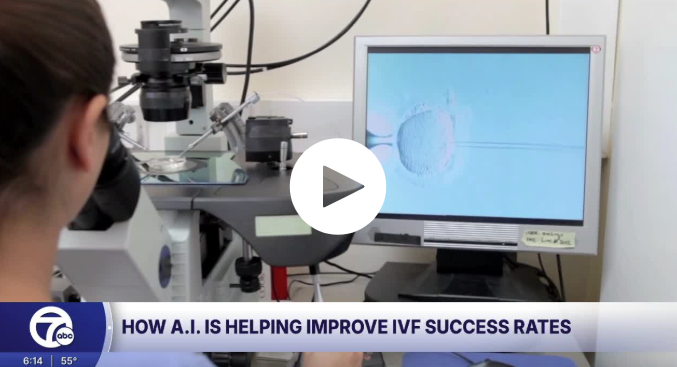
Michigan Fertility Institute was recently featured by WXYZ Channel 7 Detroit in a story about how artificial intelligence is being used to support fertility care and help patients on their path to parenthood.
The segment highlighted how advanced technology, laboratory precision, and physician-led fertility care can work together to improve the IVF experience for patients.
Artificial intelligence is becoming part of many areas of healthcare, and fertility care is one of the fields where it can offer meaningful support. At Michigan Fertility Institute, AI-driven tools are used alongside medical expertise, embryology, and personalized patient care to help create a more precise and informed IVF process.
In the WXYZ feature, Dr. Ali Bazzi explained how AI may help make parts of the fertility process more efficient and may help identify areas where treatment protocols can be optimized. This can support the clinical team as they review important details throughout the IVF journey.
How AI Can Support IVF Care
In IVF, small details matter. From embryo monitoring to laboratory testing, fertility teams rely on accurate information to guide decisions. AI can help support this process by assisting with detailed observation, comparison, and analysis.
One important area discussed in the feature was embryo monitoring. With advanced systems, the growth and development of embryos can be observed closely over time. This allows the fertility team to gather more information before making important decisions about embryo selection and care.
The goal is not to replace the fertility specialist or embryologist. The goal is to give the medical team better tools, clearer information, and more precise support throughout the treatment process.
AI, Embryology, and Personalized Fertility Treatment
Every patient’s fertility journey is different. Some patients may need IVF because of female-factor infertility, male-factor infertility, unexplained infertility, age-related concerns, or other medical factors.
AI-supported technology can help the clinic look more closely at key parts of the process, including embryo development and sperm quality. When combined with experienced embryology and individualized physician care, this can help patients receive a more informed treatment plan.
Why This Matters for Patients
For patients, fertility treatment can feel overwhelming. There are appointments, tests, emotions, and many decisions along the way. Technology can help create more clarity during that process.
At Michigan Fertility Institute, the focus remains on compassionate, personal care. Advanced tools like AI are used to support the same goal that guides every appointment: helping patients move forward with confidence, knowledge, and hope.
Featured by WXYZ Channel 7 Detroit
This article is based on a WXYZ Detroit feature titled “How a Michigan clinic is using AI to help people overcome infertility.”
Frequently Asked Questions
How is AI used in IVF?
AI can help support embryo monitoring, lab analysis, and decision-making by helping fertility teams review detailed information more efficiently. It is used as a tool alongside medical expertise.
Does AI replace the fertility doctor?
No. AI does not replace the fertility specialist, embryologist, or care team. It supports the team by providing additional information that may help guide treatment decisions.
Can AI improve IVF success?
AI may help improve parts of the IVF process by supporting precision, monitoring, and analysis. Individual results vary based on each patient’s medical history, diagnosis, age, treatment plan, and other factors.
Can AI help with male infertility?
AI-supported tools may assist with evaluating sperm quality and identifying important details during laboratory testing. Male fertility evaluation remains an important part of many fertility journeys.
Is IVF treatment personalized at Michigan Fertility Institute?
Yes. Michigan Fertility Institute focuses on individualized fertility care. Treatment plans are based on each patient’s history, testing, goals, and medical needs.
This content is for informational purposes only and should not be taken as direct medical advice. Please consult with a qualified fertility specialist to discuss your individual situation and treatment options.