
What Does the Future of Infertility Care Look Like?
Infertility care has changed significantly over the past few decades. Advances in medical science, technology, and genetics have expanded treatment options and improved success rates. Today, many individuals and couples have more pathways to parenthood than ever before.
Looking ahead, the future of infertility care appears focused on precision medicine, earlier diagnosis, and more personalized treatment plans.
Why Fertility Care Is Evolving
Several factors are shaping the future of reproductive medicine:
- More people are choosing to start families later in life
- Increased awareness around fertility preservation
- Advancements in genetic testing and laboratory technology
- Growing research into reproductive health conditions
- Broader conversations about male infertility
As social patterns shift and science progresses, fertility care continues to adapt.
Emerging Innovations in Fertility Treatment
The next generation of infertility care is centered around accuracy, efficiency, and improved outcomes.
Advanced Genetic Testing
Preimplantation genetic testing is becoming more refined. Future developments may allow for even more detailed embryo screening, helping reduce miscarriage risk and improve implantation rates.
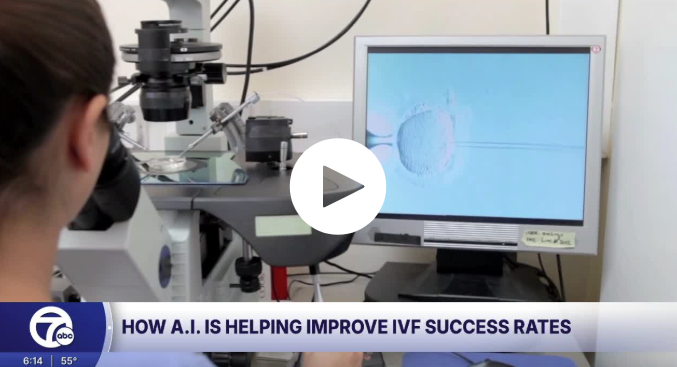
Artificial Intelligence in IVF
AI tools are being developed to help embryologists select embryos with the highest implantation potential. These systems analyze patterns that may not be visible to the human eye.
Improved Egg and Sperm Preservation
Freezing technology has improved dramatically. Ongoing research may extend storage success and increase survival rates after thawing.
Non Invasive Testing
Scientists are studying less invasive methods to evaluate embryo health and uterine receptivity, which could reduce the need for certain procedures.
Personalized Hormone Protocols
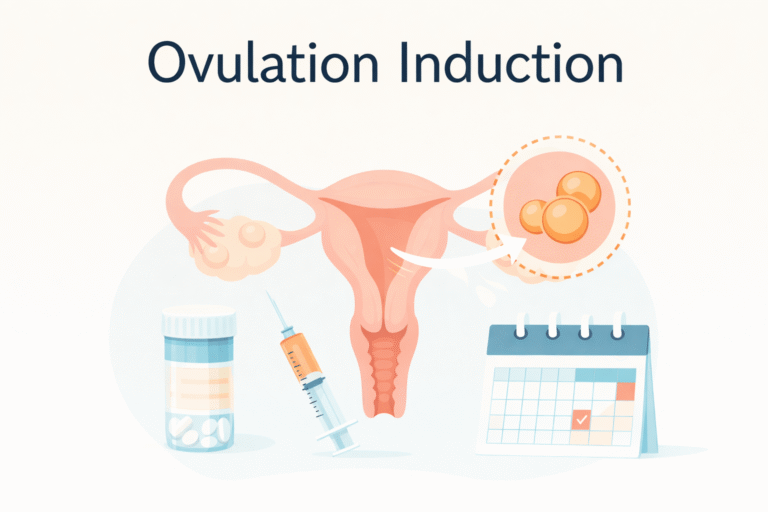
Future fertility treatments are likely to become more individualized. Hormone dosing and stimulation plans may be adjusted using advanced data analysis to improve response and reduce side effects.
The Future of Male Infertility Treatment
Male factor infertility is receiving more focused research attention. Areas of development include:
- Advanced sperm selection techniques
- Improved surgical procedures
- Genetic insights into sperm production
- New medications targeting hormonal imbalances
As understanding grows, treatment options for men are expected to expand.
Fertility Preservation and Family Planning
More individuals are choosing proactive fertility preservation. Egg freezing, sperm freezing, and embryo freezing are becoming increasingly common.
In the future, we may see:
- Earlier fertility screening in routine healthcare
- More accessible fertility preservation options
- Employer supported fertility benefits
These changes may help people make informed decisions about timing and family planning.
Access, Awareness, and Emotional Support
The future of infertility care is not only about technology. It also involves:
- Greater emotional and mental health support
- More inclusive care for diverse families
- Expanded insurance coverage
- Increased public awareness
Reducing stigma and improving access remain important goals in reproductive medicine.
What This Means for Patients Today
While many innovations are still developing, current treatments such as IUI, IVF, ICSI, and genetic testing already offer high levels of effectiveness.
Ongoing research continues to improve safety, success rates, and patient experience. The future of infertility care appears promising, with continued focus on precision, personalization, and compassion.
Looking Ahead in Michigan
If you have questions about fertility treatment or want to explore your options, our team is here to provide clear guidance and expert care.
Serving Detroit and surrounding communities including Dearborn, Livonia, Novi, Ann Arbor, Troy, Sterling Heights, and nearby areas.
Contact us today to request an appointment and learn more about your fertility options.