
Ovulation Induction
When someone is trying to conceive and pregnancy is not happening naturally, one of the first treatment options a fertility specialist may recommend is ovulation induction. This approach is often used when ovulation is irregular or not occurring at all. For many patients, it can be a simple and effective way to improve their chances of becoming pregnant.
Understanding how ovulation induction works can make the process feel less confusing and more manageable.
Why Someone Might Need Ovulation Induction
Ovulation is the release of an egg from the ovary. For pregnancy to occur, this must happen regularly and at the right time. Some people do not ovulate consistently, while others may not ovulate at all.
Common reasons ovulation induction may be recommended include:
- Polycystic ovary syndrome (PCOS)
- Irregular menstrual cycles
- Hormonal imbalances
- Unexplained infertility
- Difficulty timing ovulation
In some cases, even patients who ovulate naturally may benefit from ovulation induction to improve egg development and increase the chances of conception.
What Ovulation Induction Involves
Ovulation induction uses medication to stimulate the ovaries to produce and release eggs. The goal is to encourage predictable, healthy ovulation.
Treatment usually begins early in the menstrual cycle. Patients may take oral medications or receive injectable hormones, depending on their diagnosis and treatment plan.
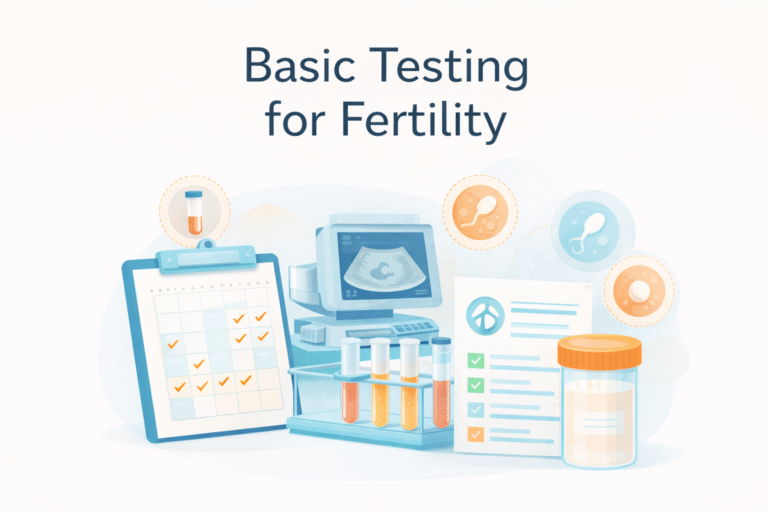
Throughout the cycle, the fertility team monitors progress using:
- Ultrasound scans to track follicle growth
- Blood tests to measure hormone levels
Once the follicles reach the appropriate size, a trigger injection may be given to help release the egg at a specific time. This allows for properly timed intercourse or intrauterine insemination (IUI).
Medications Commonly Used
Several medications are used for ovulation induction. The choice depends on the patient’s hormone levels, diagnosis, and treatment goals.
- Clomiphene citrate is often used as a first line treatment.
- Letrozole is commonly recommended for patients with PCOS.
- Injectable gonadotropins may be used when oral medications are not effective.
Each option works slightly differently, but all aim to support healthy egg development and ovulation.
Benefits of Ovulation Induction
Ovulation induction is often one of the least invasive fertility treatments. Many patients appreciate that it:
- Is more affordable than advanced treatments like IVF
- Can be combined with timed intercourse or IUI
- Requires minimal recovery time
- Helps regulate cycles in patients with irregular ovulation
For many individuals and couples, this treatment is a practical and encouraging first step.
Risks and Considerations
Like any medical treatment, ovulation induction has potential risks. Careful monitoring helps reduce these risks and keeps treatment safe.
Possible considerations include:
- Multiple pregnancy, such as twins
- Ovarian hyperstimulation, which is uncommon with proper monitoring
- Mild side effects like bloating or mood changes
Your fertility team adjusts medication doses carefully to lower these risks while maintaining effectiveness.
Key Points About Ovulation Induction
| Category | Ovulation Induction |
|---|---|
| Medical Involvement | Oral or injectable medications with cycle monitoring |
| Cost | Generally lower cost compared to IVF |
| Monitoring | Regular ultrasounds and blood tests during the cycle |
| Best For | Irregular ovulation, PCOS, unexplained infertility |
| Success Rates | Vary depending on age, diagnosis, and overall fertility health |
Is Ovulation Induction Right for You?
The decision depends on your medical history, hormone levels, and how long you have been trying to conceive. For many patients, ovulation induction is the first step before considering more advanced treatments.
If ovulation induction is not successful after several cycles, your doctor may recommend additional options such as IUI or IVF. Treatment is always personalized based on how your body responds.
Ovulation induction has helped many individuals and couples move closer to building their families. With careful monitoring and a tailored treatment plan, it can be a safe and effective path toward pregnancy.
If you would like to learn more about ovulation induction or explore your fertility treatment options, our team is here to guide you with clarity, compassion, and expert care.